Building a log cabin is a journey of both engineering precision and personal legacy. In How to Build a Log Cabin, Steven Wills provides the definitive roadmap for the owner-builder, stripping away the romantic myths to focus on the technical realities of construction.This manual shifts the perspective from casual DIY to professional stewardship, offering a structured, engineering-grade approach to:Planning and Preparation: Detailed guidance on site selection, permitting, and land analysis, ensuring your build begins on solid ground.Structural Mechanics: Expert techniques for foundation stability, mastering corner notching (Saddle, Dovetail, or Butt-and-Pass), and implementing “floating” roof systems to accommodate natural timber settling.Systems Integration: Essential advice on decoupled utility routing, avoiding the common pitfalls of rigid construction in a “live” log structure.Long-term Maintenance: A proactive guide to protecting your investment through proper moisture management, seasonal sealing, and consistent stewardship.By integrating technical expertise with the philosophy of building a lasting legacy, this book equips you with the confidence and the roadmap to turn a wilderness vision into a finished, durable home. Sbwills.com
How to build a log cabin by Steven wills
The Complete Beginner’s Guide to Building Your Own Log Cabin by Steven Wills is a comprehensive, non-fiction manual designed to break down the complex construction process into five manageable, logical stages.The Five Stages of Construction
Planning and Preparation
The foundation of a successful build, this phase eliminates uncertainty regarding costs and materials. Key steps include:
Finalizing a detailed design and floor plan.
Researching local zoning laws, building codes, and legal restrictions.
Analyzing land conditions (soil type, water tables, topography) and ensuring utility access.
Establishing a strict budget and a realistic construction schedule.
Selecting and Preparing Logs
Proper timber management is essential for structural integrity.
Species: The most desirable woods are cedar, pine, fir, and larch.
Dimensions: Ideal logs are 30ft to 40ft long with a 10” to 14” diameter (a 10-12” top diameter is preferred).
Preparation: Logs should be harvested in late fall or winter, trimmed of knots and bumps, and peeled.
Drying: Logs must be stored on skids for at least six months to allow for proper seasoning and air circulation.
Building the Foundation
A stable base is non-negotiable and must adhere to the “3-s rule”: Subsidence (preventing soil movement), Strength (supporting the load), and Settlement (preventing sinking).
Recommendation: Continuous walls of concrete or stonemasonry are generally preferred over piers because they provide uninterrupted support and effectively deter rodents.
Construction (Laying the Logs)
This stage involves the physical transformation of the design into a structure.
Process: After installing sill logs and framing the floor, walls are erected using specific corner techniques such as the Round Notch (Saddle), Dovetail, or Butt and Pass.
Technique: Logs should be kept plumb on the inside faces, with larger logs placed at the base of walls to ensure stability.
Finishing, Systems, and Maintenance
The final phase focuses on interior comfort and long-term protection of the wood.
Finishing: Includes installing insulation (SIP roof systems are recommended), flooring (wide-plank pine or oak), and interior chinking to seal gaps.
Maintenance: Long-term care is vital to protect against UV rays and moisture. This includes annual cleaning and the periodic reapplication of stains and seals (every 3–7 years, depending on whether the product is water or oil-based).
Sustainability Focus
The guide also covers strategies for building a “Green” log cabin, such as sourcing local or reclaimed wood, incorporating passive solar design, using natural finishes, and maximizing logs’ natural thermal mass.—–Would you like me to draft a marketing blurb for your author portfolio using these details, or perhaps outline a specific chapter in more depth?
https://a.co/d/0etPHQHa
The moon
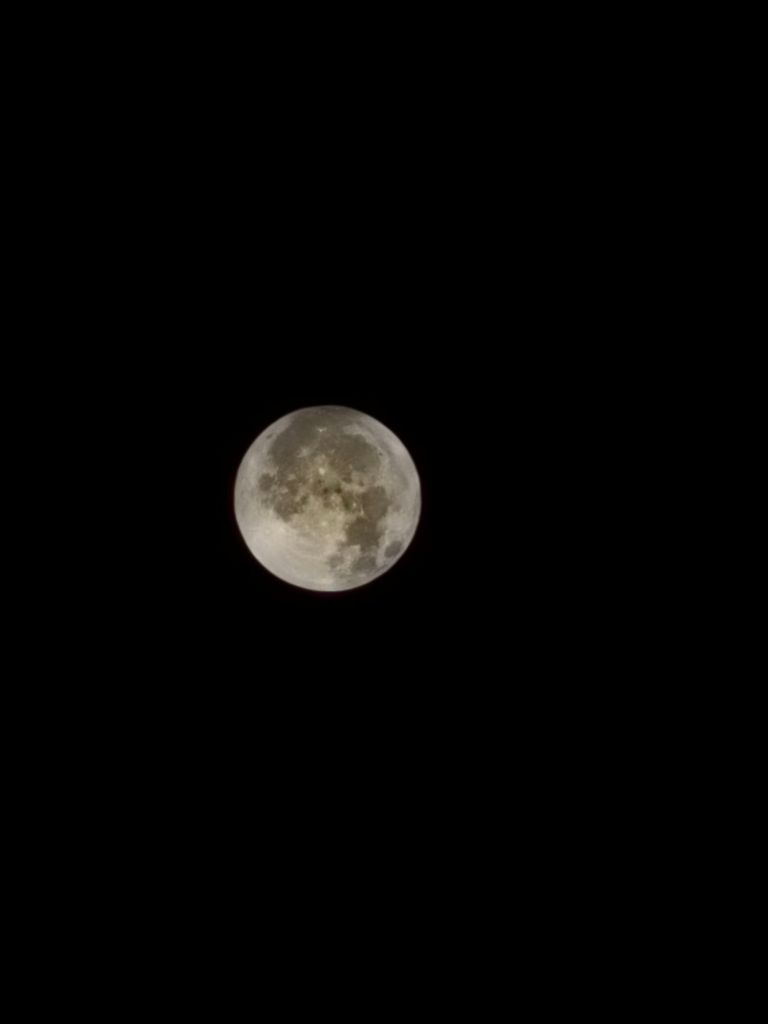
I took this photo of the moon this morning.
The camera on my phone is a 50 pixels or HD camera. I like how I can take photos in low light and they still come out. I am an artist, photographer and a award winning author.
My book the creative way by Steven Wills just won a book award. I have authored over twenty ebooks on Amazon.com.
Paranormal Experiences and how to build a log cabin are two other books of mine.
Steven-wills.pixels.com
Willssb.picfair.com
Sbwills.com
Steven B. Wills is a prolific modern author, artist, and photographer whose diverse body of work includes over twenty published ebooks. His writing reflects a profound curiosity about both the tangible physical world and the mysterious phenomena that lie beyond our everyday understanding.
- The Creative Way: In this award-winning book, Steven offers an intimate look at his artistic evolution. The collection serves as a visual and narrative journey, blending his photography and digital art to explore themes of resilience, memory, hope, and the transformative power of nature.
- How to Build a Log Cabin: Demonstrating his practical and instructional expertise, Steven authored The Complete Beginner’s Guide to Building Your Own Log Cabin. This non-fiction work provides readers with a structured approach to the hands-on process of cabin construction.
- Paranormal Experiences: Steven’s investigative writing delves into the fascinating history and science of the paranormal. His research in this field explores a wide range of topics, including historical hauntings, poltergeist phenomena, and the ancient roots of belief in the supernatural, all while balancing scientific skepticism with the persistent human fascination with the unexplained.
Whether he is capturing beauty through a lens, teaching practical construction skills, or examining the “veil between worlds,” Steven B. Wills invites his audience to pause and consider the world from new perspectives. Readers can explore more of his art and writing through his online portfolio and author websites.
Sbwills.com
I am an artist, photographer and author.
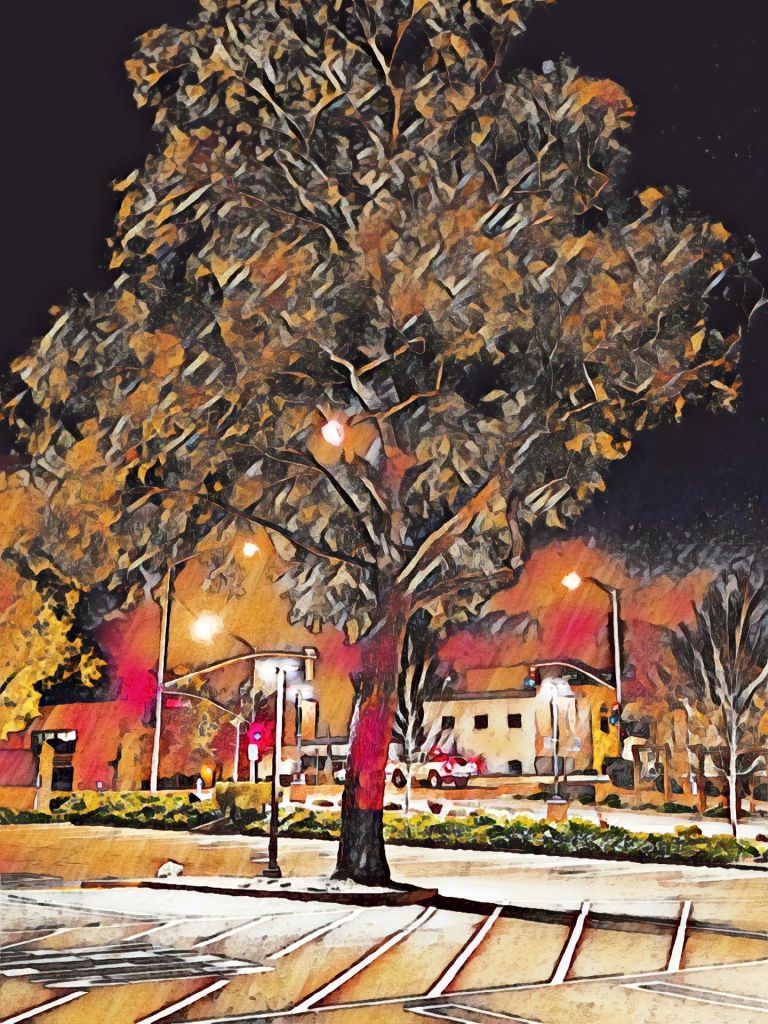
I learned how to make ebooks to show off my art and nature photography. To date I have authored over twenty ebooks on Amazon.com. I have also published on kobo.com
In my free time I am creating art or writing. I have learned by doing. I work part-time and have always had a interest in nature photography. I also enjoy coastal and urban shots I have used a. I. To create some images.
I have generated some images from two colors. To see my books or art look below.
Sbwills.com
Steven-wills.pixels.com
Willssb.picfair.com
Or search my name on Amazon.com or kobo.com
Thanks for your interest and have a great day.
The creative way by Steven Wills
Steven B. Wills is a modern artist and photographer who transforms the beauty of the natural world through a unique digital lens. Known for his expressive realism, he fuses high-quality photography with innovative digital tools and AI to create vivid, textured art that spans landscapes, wildlife, and surreal urban compositions.Citation 1Citation 2
Beyond his visual work, Steven’s art serves as a deeply personal narrative of resilience and healing, channeling his own life experiences—including his journey with focal epilepsy—into themes of strength, remembrance, and the transformative power of creativity.Citation 1Citation 2
Winner of the Literary Titan Book Award for his book, The Creative Way, Steven is also a prolific author with over twenty ebooks published. You can explore his collections, purchase his art, and view his diverse portfolio of wall art and lifestyle items on his websites at steven-wills.pixels.com and willssb.picfair.com.Citation 1Citation 2Citation 3
Sbwills.com
Press release for the creative way by Steven Wills
I just got a book award for the creative way by Steven Wills

I have published over 20 ebooks on Amazon.com and some ebooks on robotics.
This is my author Website
There are six ebooks here. Select all books to see the creative way by Steven Wills. You can find it on Amazon by searching the creative way by Steven Wills
The creative way by Steven Wills
This ebook has won a book award. It is about Steven Wills and his nature art. Steven introduces his art and how it has changed over time. This book got a great review as well. It is available on Amazon or here
Sbwills.com

